

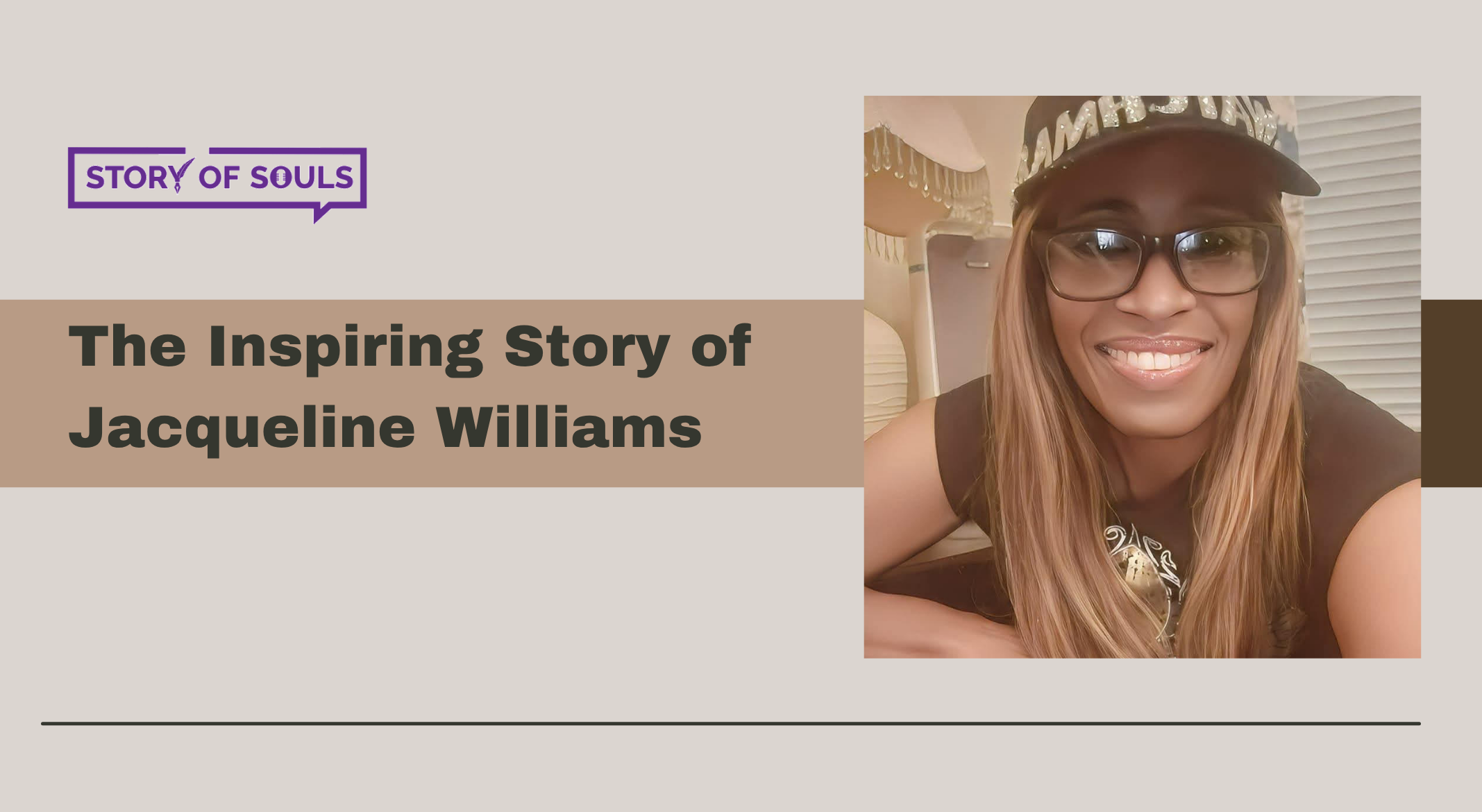
When Jacqueline Williams was born on January 1, 1968, doctors immediately understood that her life would be different. Her feet were turned backwards, one of the many birth defects caused by Thalidomide — a drug widely given to pregnant women during the 1950s and early 1960s to relieve morning sickness. Prescribed broadly across Western Europe, Canada, Australia, and Japan, it was inexpensive, easy to obtain, and considered safe. Thousands of expectant mothers accepted it without hesitation, unaware of the devastation it would cause.


The scale of the tragedy would later stun the world. According to the American Chemical Society, approximately 10,000 infants worldwide were born with limb malformations as a result of Thalidomide exposure — and only half of those children survived. Peer-reviewed research published in Therapeutic Advances in Drug Safety (Springer) estimates the number may have exceeded 12,000, with around 40% dying in the neonatal period. The Embryo Project Encyclopedia, maintained by Arizona State University, further documents that the drug triggered one of the most significant public health disasters of the 20th century, ultimately prompting the U.S. Congress to pass the 1962 Kefauver-Harris Amendments, which established far stricter drug approval requirements.
Jacqueline’s mother was one of those women. During a difficult pregnancy marked by severe nausea, she received a sample from a clinic. What seemed like a simple solution to a temporary discomfort altered the course of her daughter’s life before she even took her first breath.
Doctors looked at the newborn child and delivered a grim assessment. They told her parents that she might not survive. If she did, they believed she would never walk. For most families, such predictions would have sounded like a life sentence, but Jacqueline’s parents chose to hear a challenge.
Growing Up Between Hospital Walls
Much of Jacqueline’s childhood unfolded beneath fluorescent hospital lights rather than classroom ceilings. Her parents took her to Le Bonheur Children’s Hospital, where surgeons worked to correct her feet and give her a chance at mobility. The operations succeeded in turning her feet forward, but they marked the beginning of a journey that would stretch across her entire childhood.
The rhythm of her early years revolved around surgeries, recoveries, and medical appointments. Hospital corridors became as familiar as neighborhood streets. Nurses learned her name. Doctors tracked her progress through charts and X-rays. Recovery rooms replaced playgrounds. While other children counted summers and birthdays, Jacqueline often measured time by procedures and healing periods.
By the time she reached adolescence, she had undergone twenty-four major surgeries.
Because of her medical condition, attending a traditional public school was never realistic. Instead, she studied at Crippled Children’s Hospital School, a place dedicated to caring for children with severe birth defects. The facility provided more than education. It offered stability. Nurses helped the children prepare for the day, wheeled them to meals, and cared for them through the difficult periods between surgeries. For many students, including Jacqueline, the people within those walls became an extended family.
She still remembers the schoolroom that resembled a miniature White House. It stood as an unexpected symbol of possibility in a place where children fought battles most adults could hardly imagine. Within those classrooms, she learned reading and writing, but she also learned patience, resilience, and the quiet discipline required to keep moving forward when progress arrived one painful step at a time.
The Moment Doctors Could No Longer Say Never
As the years passed, surgeries continued to shape Jacqueline’s life. Each operation carried the hope of greater mobility, while every recovery demanded endurance. Improvement came gradually, almost imperceptibly. There was no single breakthrough that changed everything overnight.
When she entered sixth grade, doctors performed what would become her final surgery. Even then, her journey remained unfinished. Braces still supported her legs. Crutches still carried much of her weight. Another year passed before doctors finally released her from them.
The moment itself was remarkably ordinary. There was no celebration, no audience, and no dramatic announcement. Yet it became one of the most significant moments of her life. The little girl whom doctors once believed would never walk stood on her own and began moving forward without assistance.
For her parents, it was a moment they had spent years praying for. For Jacqueline, it was proof that predictions do not always become reality.
Living with the Lasting Effects of Thalidomide
Although Jacqueline gained the ability to walk, Thalidomide continued to shape her life in countless ways. Today, at fifty-seven years old, she remains only four feet tall because the drug stunted her growth. Her legs do not bend, which means she relies on her arms to lift herself from her bed and couch. She has all ten fingers but only nine toes.
The effects reached beyond her limbs. Thalidomide also affected her heart. This is medically well-established: research published in the journal Vasa found that congenital heart defects appeared in approximately 18% of children with Thalidomide embryopathy — nearly twenty times the rate seen in the general population. The ThinkGenetic Foundation similarly documents that cardiac defects, alongside limb deformities, are among the most commonly associated complications of Thalidomide embryopathy. For Jacqueline, this meant one heart valve eventually closed and required emergency surgery. Another murmur remains today.
These challenges never disappeared. Instead, they became part of the daily reality she learned to navigate.
Many people assume that surviving a childhood illness or disability means the struggle eventually ends. Jacqueline’s experience tells a different story. Some battles evolve rather than disappear. The challenges become less visible to others, yet they remain present in everyday routines and ordinary moments.
The Wounds That No Surgery Could Heal
Physical pain represented only one chapter of Jacqueline’s story. As she moved through adulthood, she encountered struggles that left emotional scars as deep as any surgical incision. She experienced abuse, rejection, abandonment, and manipulation. Like many people searching for acceptance, she sometimes looked for love in places that could never provide the security she longed for.
Those experiences tested her in ways medical procedures never could. Physical wounds often heal according to a predictable timeline. Emotional wounds rarely follow such rules. They linger. They resurface unexpectedly. They challenge a person’s sense of worth and identity.
Yet every difficult season taught Jacqueline something about perseverance. She discovered that strength is rarely the absence of pain. More often, it is the decision to keep moving through pain without allowing it to define who you are.
How Faith Became Her Foundation
Throughout every chapter of her life, Jacqueline found herself returning to one constant source of strength: her faith in God.
When doctors predicted limitations, she held onto hope. When surgeries consumed her childhood, she trusted there was purpose beyond the pain. When rejection and heartbreak entered her life, she found comfort in the belief that she was never truly abandoned.
Her faith did not remove every obstacle. It gave her the strength to face them.
Over time, she came to view her story through a different lens. Rather than focusing on what had been taken from her, she focused on what she had gained through perseverance, faith, and survival. The experiences that once seemed determined to break her gradually became the foundation of her testimony.
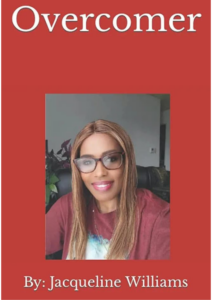
Today, Jacqueline serves as a watchman, intercessor, podcast host, and author. Through her book, Overcomer, she shares the lessons she has learned while navigating hardship, healing, and faith.
Her story has also earned recognition in Canvas Rebel Magazine, allowing her message to reach an even wider audience.
From Surviving to Overcoming
Jacqueline Williams entered the world carrying the consequences of a medical tragedy that affected more than 10,000 families worldwide. Doctors believed her life would be short and limited. Instead, she built a life defined by perseverance, faith, and purpose.
Her journey reminds us that some of the strongest people are not those who escape hardship. They are the ones who endure it, adapt to it, and continue moving forward despite it.
More than five decades after doctors questioned whether she would survive, Jacqueline continues to stand, walk, speak, write, and encourage others. Every step she takes tells the same story: circumstances can shape a life, but they do not have the power to define it.
References
- American Chemical Society. Thalidomide. ACS Molecule of the Week. https://www.acs.org/molecule-of-the-week/archive/t/thalidomide.html
- Vargesson, N. et al. Thalidomide: history, mechanisms, and current uses. Therapeutic Advances in Drug Safety (Springer). https://link.springer.com/article/10.1007/s43441-021-00327-3
- Embryo Project Encyclopedia, Arizona State University. US Regulatory Response to Thalidomide (1950–2000). https://embryo.asu.edu/pages/us-regulatory-response-thalidomide-1950-2000
- EBSCO Research Starters. Thalidomide and Birth Defects. https://www.ebsco.com/research-starters/health-and-medicine/thalidomide-and-birth-defects
- Vasa – Journal of Vascular Diseases. Cardiovascular Manifestations of Thalidomide Embryopathy. https://econtent.hogrefe.com/doi/10.1024/0301-1526/a001208
- ThinkGenetic Foundation. Thalidomide Embryopathy. https://thinkgenetic.org/diseases/thalidomide-embryopathy/
FAQs
Who is Jacqueline Williams?
Jacqueline Williams is a Thalidomide survivor, author, podcast host, and woman of faith who inspires others through her story of resilience, perseverance, and overcoming adversity.
What challenges did Jacqueline Williams face growing up?
Born with birth defects caused by Thalidomide, Jacqueline underwent 24 surgeries, used mobility aids for years, and spent much of her childhood in hospitals.
What is Thalidomide?
Thalidomide is a drug once prescribed for morning sickness that caused severe birth defects in more than 10,000 babies worldwide during the 1950s and 1960s.
How did Jacqueline Williams learn to walk?
After years of surgeries, rehabilitation, braces, and crutches, Jacqueline achieved what doctors thought impossible and eventually learned to walk independently.
What message does Jacqueline Williams share through her story?
Jacqueline encourages people to remain hopeful, trust God during difficult seasons, and remember that challenges do not have to define their future.
About the Author
Amna believes that words have the power to hold emotions that are often difficult to say out loud. Through her writing, she tries to capture small, fleeting feelings and moments that many people carry but rarely express.
Poetry has always been close to her heart. On her Instagram page loev.ly, she shares verses about love, longing, hope, and the gentle complexities of human connection. For Amna, poetry is a way of making sense of the world and leaving behind small pieces of warmth for others to find.
She finds inspiration in simple, everyday joys: nature, the wonder of watching planes cross the sky, and the ritual of making a good cup of coffee. These small moments often become the seeds of her writing.
At heart, Amna writes to share pieces of happiness and tenderness with the world, believing that even the smallest words can make someone feel a little less alone.
About Story of Souls
Leave your comments on how you like this story. If you love it, share it to bring that change we wish to see in the world.
You can also share your inspiring story with us at submitstories.storyofsouls@gmail.com. Story of Souls is an initiative where we invite people to bring their stories to us. We want people to “write to heal.” The idea of Storyofsouls is appreciated by ALL INDIA RADIO. An Online Platform where you can share your real-life stories. The impact of our stories has reached the UN and Harvard University. For some real-life stories, web series are also planned. You can also visit our YouTube channel. You can follow us on Facebook LinkedIn Instagram.
Storyofsouls is glad to inform you that we are now a Google News-verified platform.
We are proud to inform you all that storyofsouls.com is the official TEDx MotiJheel Kanpur Partner for their upcoming event.