

What Happens When Darkness Takes Your Sight but Not Your Dreams?
When the lights go out forever, many believe life ends. Plans collapse, hope trembles, and the future becomes a frightening silence. But for Solomon, darkness was not an ending. It was the beginning of a remarkable, inspirational true story about resilience, technological empowerment, and the unstoppable strength of the human spirit. He lost his sight, but he refused to lose his dreams.

A Childhood Interrupted by Darkness
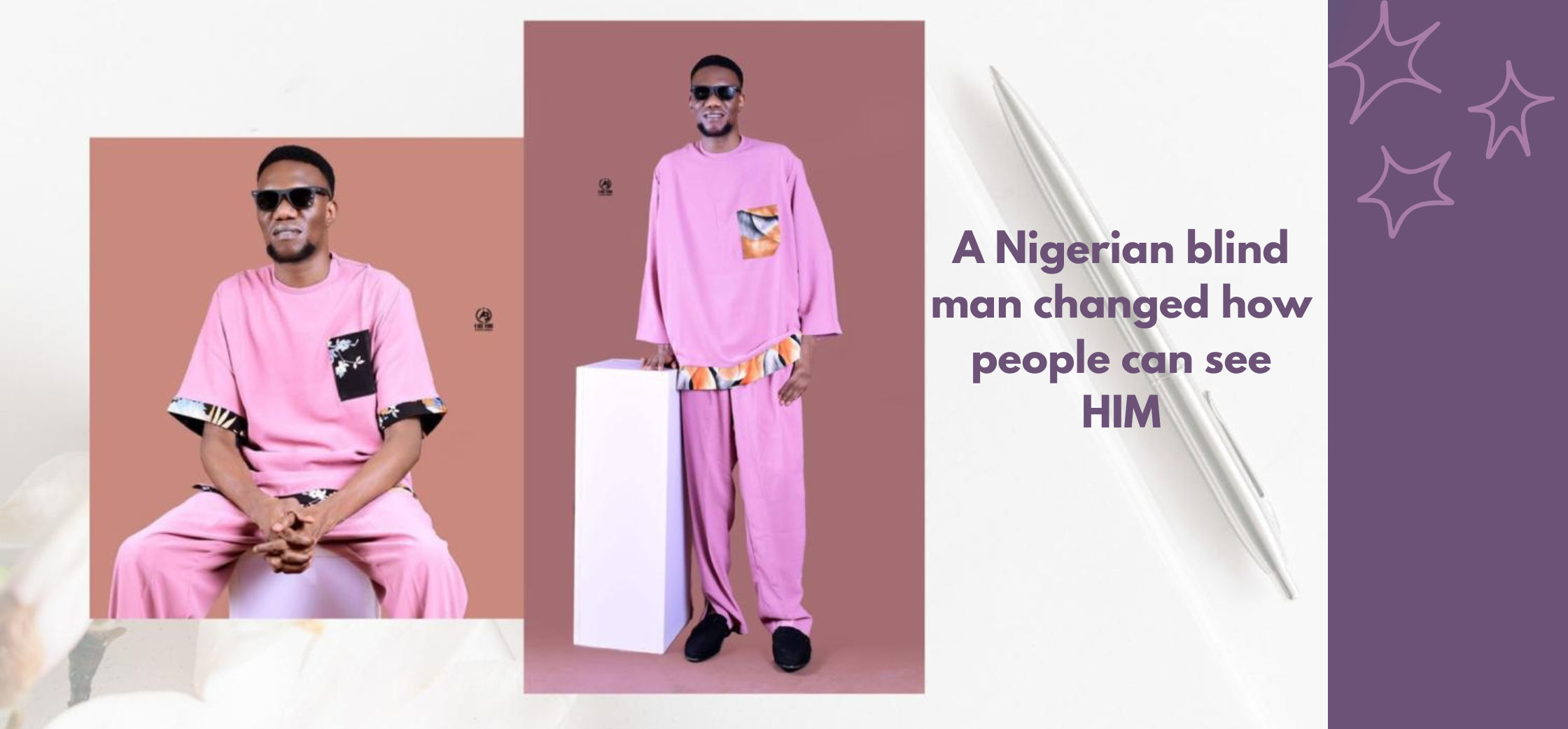
Solomon Divine Ijebor, a.K.a. Incredible Master, grew up in Edo State, Nigeria, full of curiosity and promise. He loved school, loved learning new words, loved imagining a future where education would open doors for him and his family. But before graduation, the world slowly began to blur. Letters on the page faded. Faces became shadows. Colours disappeared. And then, darkness.
Hospital visits became routine. Nights were filled with silent tears, he hid from his parents. Friends whispered that his life was over. Teachers didn’t know what to say. The boy who once ran toward his dreams now sat still, wondering if his future had vanished forever.
Fear wrapped around him like a storm. Yet somewhere deep inside, a quiet voice kept whispering, Keep going.
The Hardest Years of His Life
Blindness didn’t just take Solomon’s sight. It tried to take his confidence, his identity, and his hope. There were days he felt invisible. Days when people spoke about him as if he wasn’t there. Days when he asked why life had changed so suddenly.
His father, refusing to watch his son drown in hopelessness, started a small recharge card business to keep him engaged. Some customers cheated him. Some mocked him. Some took advantage of his blindness. Each betrayal hurt deeply. Each moment stung.
But slowly, pain turned into strength. Anger turned into patience. Hopelessness turned into resilience. Solomon began to understand something powerful: personal growth often begins in struggle.
When Technology Gave Him Back His Voice
Years later, everything changed in one unexpected moment. In Benin City, Solomon discovered assistive technology. He learned Braille. He learned screen readers. For the first time, his phone spoke to him. His laptop read messages aloud. Information flowed back into his life like sunlight breaking through clouds.
Technology didn’t just help him survive. It gave him independence. It gave him dignity. It gave him hope. He realised blindness limits eyes, not the mind. And suddenly, his dreams woke up again.
The Dream of Education Rekindled
After more than ten painful years away from school, Solomon made a decision that terrified and excited him at the same time. He would try again. He studied through sleepless nights, listening to audiobooks while others slept. He typed assignments using screen readers. Every exam hall felt like a battlefield, every test a mountain.
When he finally gained university admission and later graduated, he didn’t just receive a degree. He reclaimed his identity. He proved that disability does not mean inability. He showed the world that vision lives in the heart, not the eyes.
Life After Graduation: A New Struggle
Even with a degree, the road was not easy. Opportunities were scarce. Employers doubted him. Some nights, he went hungry. Some mornings, he wondered how long he could keep going.
But Solomon refused to stop. He began creating voice-over jingles for companies, using his voice as his new strength. He shared his story with others who felt trapped in their own darkness. Every word he spoke carried hope, because he knew what it meant to lose everything and still rise.
What Solomon’s Story Teaches Us
Solomon’s journey is more than a human interest story. It is a reminder that strength is born in hardship. It shows that losing sight doesn’t mean losing vision. It proves that technology can empower human potential. It reminds us that hope is stronger than fear and that personal growth begins not when life is easy, but when we refuse to give up.
Solomon lost his physical sight, but he gained unshakable vision. And sometimes, that is the sight the world needs most.
A Final Thought
Some stories don’t just inspire; they heal. If Solomon’s journey touches your heart, share it with someone who feels lost. Encourage someone struggling. Support someone fighting silent battles.
Because one story of courage can light another life.
Frequently Asked Questions
What caused Solomon to lose his sight?
Solomon gradually lost his eyesight due to a medical condition during his school years in Edo State, Nigeria. The condition worsened over time until he became completely blind, interrupting his education and childhood plans.
How did blindness affect Solomon’s early life?
Blindness affected his confidence, education, and social interactions. He faced discrimination, emotional distress, financial hardship, and social exclusion. However, these challenges later shaped his resilience and mental strength.
How did assistive technology help Solomon?
Assistive technology transformed his life. Through Braille literacy and screen reader software, his phone and laptop became accessible tools. This digital empowerment allowed him to study, communicate independently, and rebuild his academic journey.
Can visually impaired students succeed in university?
Yes. Solomon’s journey proves that visually impaired students can succeed in higher education when provided with accessible tools, inclusive learning environments, and personal determination.
What role did education play in his success?
Education helped Solomon reclaim his identity and confidence. Returning to school after more than ten years allowed him to gain qualifications, rebuild purpose, and create new professional opportunities.
What challenges did he face after graduation?
Despite earning a degree, Solomon faced limited employment opportunities and employer bias. He overcame this by developing voice-over skills and creating audio content, turning his voice into his professional strength.
What does Solomon’s story teach about resilience?
His story teaches that resilience is built in adversity. Losing physical sight does not mean losing life vision. With persistence, self-belief, and access to technology, individuals can rise beyond limitations.
How can society support people with visual impairment?
Society can support people with visual impairment by promoting inclusive education, accessible technology, fair employment opportunities, and respectful communication that values ability over disability.
Why is this story important?
This inspirational true story highlights disability empowerment, the importance of assistive technology, and the power of personal growth. It serves as hope for anyone facing life-altering challenges.
Our Storyteller: Jeel Mehta
 Meet Jeel, the storyteller who turns life into lyrics and journeys into pages. She sings her feelings, writes her dreams, and wanders through new places collecting little pieces of magic. A curious soul with a brave heart, Jeel chases sunsets, embraces every adventure, and finds beauty in the smallest moments. Fuels by family, laughter, and endless imagination, she lives fully, loves deeply, and believes every story, especially her own, is meant to shine.
About Storyofsouls
Leave your comments on how you like this story. If you love it, share it to bring that change we wish to see in the world.
You can also share your inspiring story with us at submitstories.storyofsouls@gmail.com. Story of Souls is an initiative where we invite people to bring their stories to us. We want people to “write to heal.” The idea of Storyofsouls is appreciated by ALL INDIA RADIO. An Online Platform where you can share your real-life stories. The impact of our stories has reached the UN and Harvard University. For some real-life stories, web series are also planned. You can also visit our YouTube channel. You can follow us on Facebook LinkedIn Instagram.
Storyofsouls is glad to inform you that we are now a Google News-verified platform.
We are proud to inform you all that storyofsouls.com is the official TEDx MotiJheel Kanpur Partner for their upcoming event.











After study a few of the blog posts on your website now, and I truly like your way of blogging. I bookmarked it to my bookmark website list and will be checking back soon. Pls check out my web site as well and let me know what you think.