

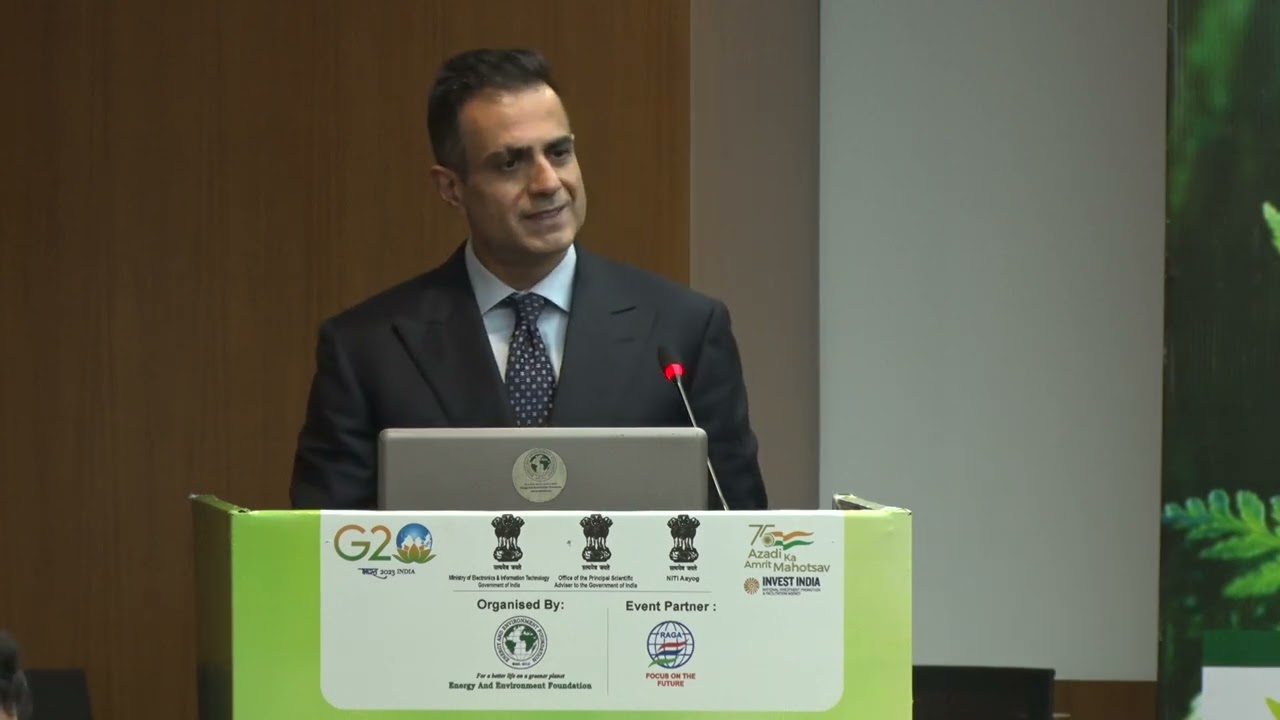
Sometimes, change begins not with a boardroom idea or a grand government plan, but with one person’s decision to face the mess.

For Manik Thapar, waste was never something to be ignored. Where others turned away, he looked closer. He looked long enough to find a problem that could be solved, and brave enough to roll up his sleeves and do the work most wouldn’t dare to. What started as a vision during his MBA years in the U.S. became a life-changing mission: to transform India’s waste problem into an opportunity for sustainable progress.
But let’s start at the beginning.
“Wait, you’re working in garbage?”
Manik was just 23 when he returned to India, full of passion and a plan that most found unusual. After all, who chooses garbage as their career path?
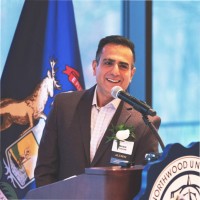
Fresh out of the Richard DeVos Graduate School of Management in Michigan, he could have chosen a cushy job abroad. His mother certainly hoped he would. Canada seemed like a safer, cleaner path. But Manik saw something else. He saw a gaping need in India’s sanitation system, a cry for change that was going unheard.
Ironically, it was his mother, who was initially resistant to the idea, who ended up naming the company: Eco-Wise Waste Management Pvt. Ltd.
The first steps and the stumbles that followed
Getting started wasn’t easy. His first two partnerships, one with a U.S. firm and another with a Canadian company promising $3 million, both collapsed. The capital ran dry and support wavered. The idea of waste management didn’t exactly spark excitement or prestige in conversations.
And yet, Manik pushed forward.
His first real break came not from a bank, but from his father, who agreed to finance the idea with ₹1 crore. This capital was not just a sum of money, but his father’s belief in him.
Manik used it wisely: trucks, rickshaws, operational equipment, and salaries for 22 workers. He set up his first office at home.
It wasn’t glamorous. But it was real.
The dirty work and the dignity in it
His very first client came from a cold pitch. There was no appointment, no connections, just conviction. Bureaucratic hurdles followed. So did mocking headlines, like “The Great Canadian Kura King.” He was called a glorified “kabariwala” (scrap dealer). Many saw waste collection as lowly work. Few understood the courage it took to build a company from society’s discarded leftovers.
But Eco-Wise had a unique model. It wasn’t just about collecting trash, it was about transforming it.
Manik implemented an “umbrella model” covering collection, transportation, segregation, treatment, and disposal. Recyclables went to paper mills and bottle plants. Organic waste became compost. Only about 20% of clients paid, but the model was sustainable through volume, resale, and vision.
Strikes, Setbacks, and Stubborn Hope
Success didn’t come without resistance. Employees went on strike, demanding raises even while earning up to ₹15,000 a week. Manik didn’t cave. He hired daily wage workers and stayed steady until the strikers returned.
There were moments of doubt, moments when quitting seemed easier. But every time he considered walking away, he remembered the effort, the investment, the purpose.
And so he stayed.
What Manik learned (and what he wants you to know)
Manik’s first year in business taught him the kind of lessons no business school could offer: the centrality of operations, the need for direct communication, the importance of letting go of micromanagement.
He worked harder than anyone. Arriving early, talking to workers, building trust. He didn’t advertise but his clients became his marketers. Eco-Wise grew through reputation and results.
Today, Eco-Wise diverts more than 60 tons of waste from landfills every single day, serving residential, industrial, and commercial clients across India. Based in Noida, the company is a force in India’s growing sustainability movement.
But Manik’s story doesn’t end at Eco-Wise. He also founded Monday High, a platform that connects entrepreneurs with mentors. He serves as a mentor for change at the Atal Innovation Mission, nurturing the spirit of innovation among India’s youth.
He’s published policy frameworks, shaped dialogue, and inspired a generation of doers who now see “waste” not as a problem, but a potential.
One man’s mission to clean things up
Manik Thapar didn’t build a waste management company. He built a bold movement.
He turned family funding into social impact, insults into innovations, setbacks into systems. His story reminds us that change isn’t always clean, pretty, or easy. But it is possible when someone is willing to step into the mess, and stay there long enough to make something beautiful out of it.
Manik’s soul is one of purpose, persistence, and transformation.
Because sometimes, the greatest revolutions begin with the simplest question: What are we throwing away?
About Storyofsouls
Leave your comments on how did you like this story. If you love it, share it to bring that change we wish to see in the world.
You can also share your inspiring story with us at submitstories.storyofsouls@gmail.com. Story Of Souls is an initiative where we invite people to bring their stories to us. We want people to “write to heal.” ALL INDIA RADIO appreciates the idea of Story of Souls. An Online Platform where you can share your real-life stories. The impact of our stories has reached the UN and Harvard University. For some real-life stories, web series are also take form. You can also visit our Youtube channel. You can follow us on Facebook LinkedIn Instagram
Storyofsouls is glad to inform you that we are now a Google news-verified platform.
We are proud to inform you all that storyofsouls.com is the official TedX MotiJheel Kanpur Partner for their upcoming event.