

Being eighteen sounds powerful. One day, you are just a schoolgirl. The next day, the world calls you an adult.
Suddenly, you are considered responsible enough to drive a vehicle on your own. You can vote. You can sign official documents. You are legally accountable for your decisions. These are the responsibilities at 18 in India. The law trusts you overnight.
But inside, do you really feel like an adult?
When I was ten years old, I thought adults were women in sarees and stilettos. I believed adulthood meant confidence, control, and having everything figured out. I never understood its real meaning. Now, after turning 18 in India, I realise that what being an adult means at 18 in India is not glamour or freedom. It is expectation. It is responsibility. And sometimes, confusion.
The legal definition feels very clear. The emotional reality does not.
A Teenage Girl Perspective on Adulthood
There are days when I feel like a broken puzzle piece, unaware of the capabilities I carry within me. I walk around as if I am in a world that expects more from me than I can give. In trying to satisfy everyone around me, I forget to be authentic. I forget to appreciate myself for who I am, not just for what I achieve.
This is my teenage girl perspective on adulthood. It is not perfect. It is honest.
Many of us feel lost at 18. We call it an existential crisis. We think something is wrong with us. But maybe nothing is wrong. Maybe we are just growing into roles that feel bigger than our age.
To every teenage girl who feels overwhelmed, I am one of you. I have doubted myself. I have questioned my strength. I have felt small in a world that suddenly demands maturity. But somewhere in that confusion, I found a simple truth: if you are searching for happiness, start spreading it. Preach what you search.
Feeling Lost at 18 and Finding Purpose
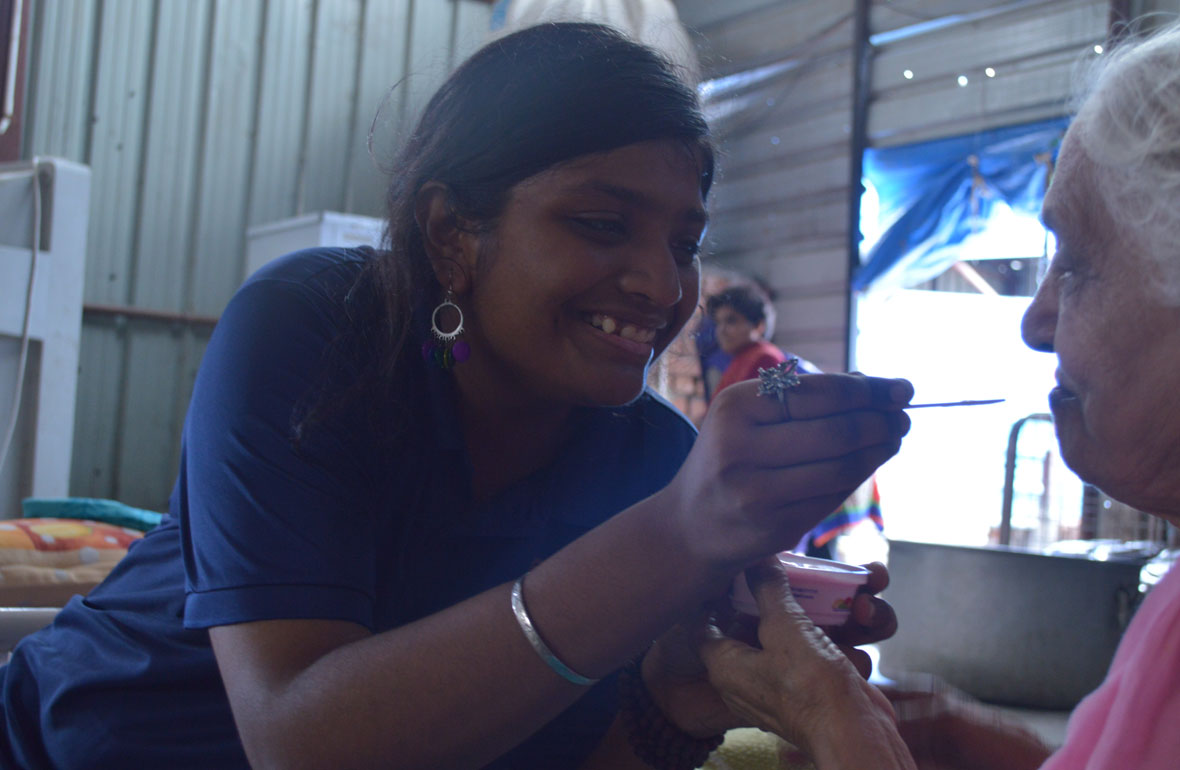
A year ago, while I was still trying to understand adulthood, I joined an NGO called Being Social – Ek Nai Shuruat. I did not join because I had clarity. I joined because I was searching for meaning.
The work was simple. We organised small events. We showed up for people. We tried to bring smiles where we could.
And something shifted in me.
Serving others gave me a sense of purpose. Helping someone, even in small ways, made my own worries feel lighter. Ronald Reagan once said, “We can’t help everyone, but everyone can help someone.” That line stayed with me. You do not have to change the world to matter. You just have to care enough to help one person.
In many ways, this became my own youth empowerment story in India. I realised that adulthood is not about knowing everything. It is about choosing responsibility even when you feel unsure. It is about creating meaning instead of waiting for it.
What Being an Adult Means at 18 in India – My Truth
It truly does not take much to spread happiness. A smile. Time. Kindness. Listening. These things cost nothing.
With responsibilities on my shoulders and very little money in my bank account, I still try to spread happiness around me. Because happiness multiplies when shared.
So what does being an adult mean to me?
What being an adult means at 18 in India, from my heart, is accepting that feeling lost is normal. It is taking small steps forward even when you are scared. It is choosing kindness over bitterness. It is growing slowly, quietly, imperfectly.
At eighteen, I do not have all the answers. But I am learning.
And maybe adulthood is not about suddenly becoming someone else.
Maybe it is about slowly becoming more of who you truly are.
Common Questions About Becoming an Adult at 18
Is 18 really considered adulthood in India?
Yes. In India, 18 is the legal age of adulthood. At this age, you can vote, drive, sign legal documents, and are responsible for your actions under the law.
Why do many teenagers feel confused at 18?
Many teenagers feel confused at 18 because society expects maturity, career decisions, and responsibility, even though emotionally they are still discovering themselves.
What responsibilities come with turning 18 in India?
Turning 18 in India means you can vote, apply for a driving licence, sign contracts, and make independent legal decisions. It also brings social expectations of maturity.
How can teenagers handle the pressure of becoming adults?
Teenagers can handle the pressure by accepting that confusion is normal, seeking guidance, building supportive communities, and focusing on small meaningful actions.